
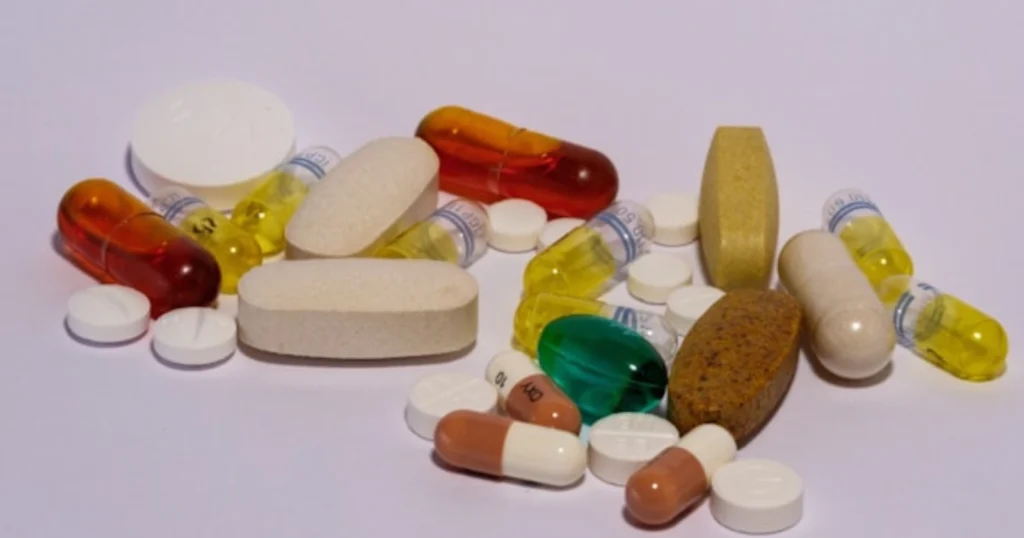
Inside Big Pharma: How Drug Companies Really Develop, Price, and Market Medicines
From lab to pharmacy, pharmaceutical industry practices follow clear incentives. See what is public, what stays confidential, and how to check claims.
From lab to pharmacy, pharmaceutical industry practices follow clear incentives. See what is public, what stays confidential, and how to check claims.

AI nutrition can organize meals and spot patterns, but personalization has limits. See how it compares with precision nutrition plus dietitians’ care.
Collagen supplements show modest evidence for skin, mixed results for joints, and little for hair. See what research says and how to judge the claims.

Research on digital detoxes is more mixed than popular advice suggests. Here’s what the evidence actually shows and a structured 7-day plan to test it yourself.

AI mental health detection analyzes speech, behavior, and wearable data. Learn what it can and cannot do, and what makes such tools truly trustworthy.

ChatGPT can explain medical concepts clearly, but it can also generate confident, wrong answers. Here’s where generative AI helps in healthcare and where it fails.
Research shows guided online CBT can match in-person outcomes for many conditions. Use this framework to decide which therapy format actually fits your needs.
More than half of Gen Z turns to TikTok for health advice. Here’s how the platform shapes what young people believe, trust, and act on about their health.

Public health is shifting from counting cases to forecasting them, using wastewater, AI, and data to catch outbreaks sooner.
Health misinformation has caused documented real-world harm, from delayed vaccinations to fatal poisonings. Learn how it spreads and how to evaluate any medical claim.

From a six-year-old’s leukemia remission to CRISPR-edited sickle cell treatment, these documented gene therapy outcomes show what the science can achieve and its real limits.

Long COVID can follow mild infection and last for years. Learn the symptoms, how diagnosis works, current care options, and where research now stands.

How childhood vaccines work, how their safety is evaluated, and how parents can interpret changing schedule guidance using current, dated sources.
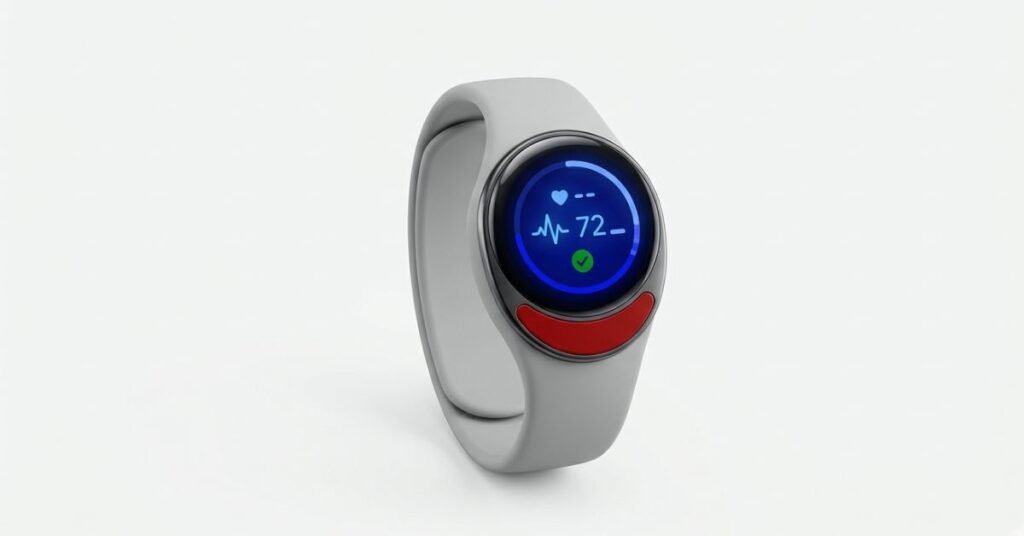
Which wearable features are cleared, how accurate they are, and what trials show about outcomes. A feature-by-feature review of medical grade claims.
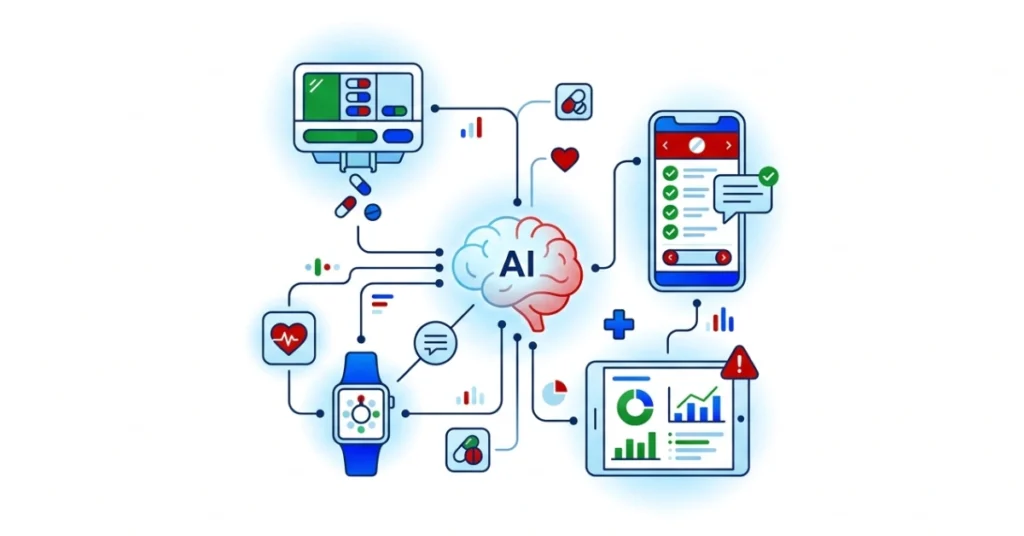
AI can flag patients likely to miss doses, yet large trials show reminders alone often fail. What really improves adherence and outcomes?
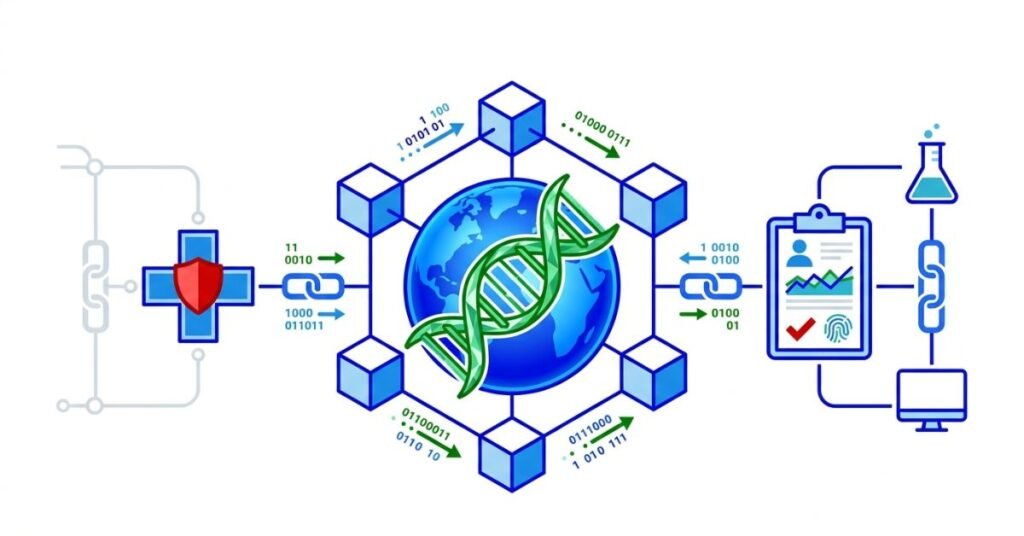
A ledger can show a medical record was altered, yet it cannot stop stolen passwords or honor erasure rights. A decision framework for healthcare leaders.
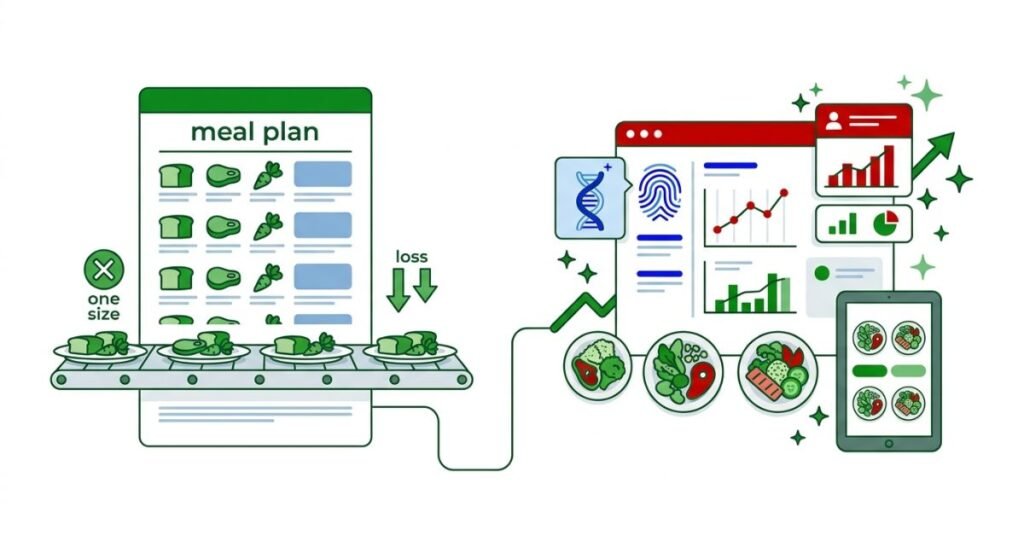
People respond differently to the same food, yet DNA diet tests have not beaten sound advice in trials. Where personalization helps, and where it is hype.
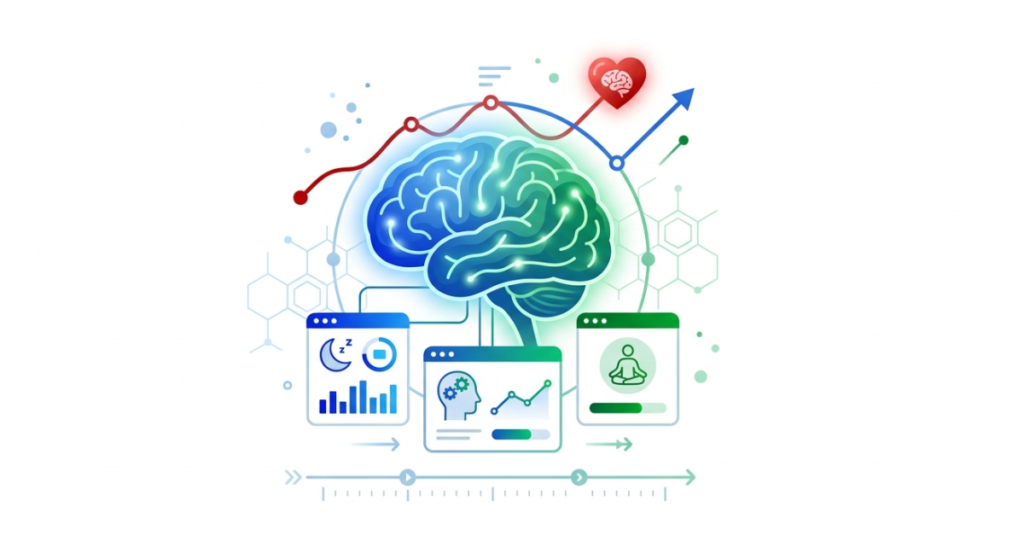
Wearables track sleep and behavior, not the brain itself. Learn what brain health tracking can show, where it misleads, and when a clinician is needed.