
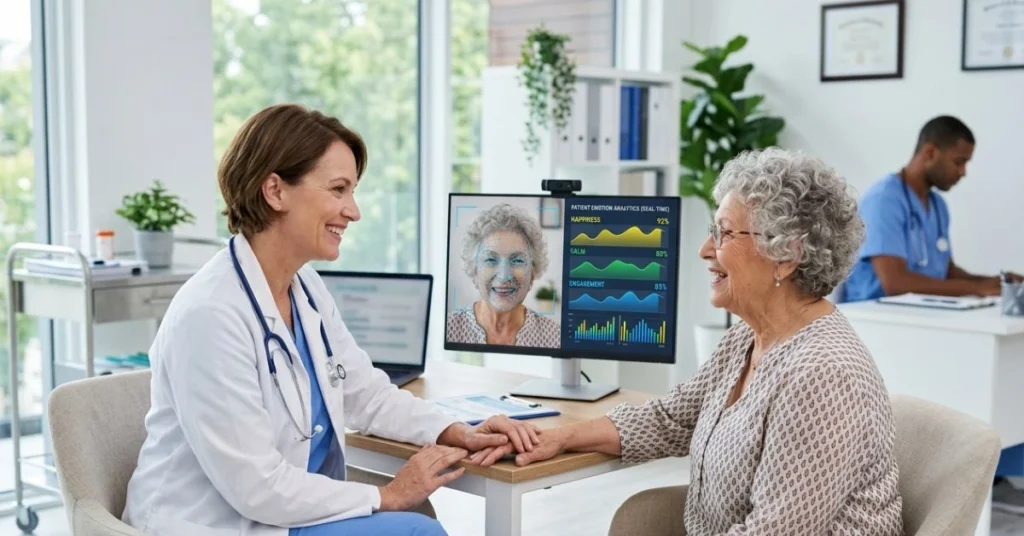
Emotion Recognition in Healthcare: Clinical Uses, Benefits and Risks
Emotion AI can track behavioral signals in faces, voices, and wearables, but it cannot read feelings or diagnose depression. See the evidence and the risks.

Emotion AI can track behavioral signals in faces, voices, and wearables, but it cannot read feelings or diagnose depression. See the evidence and the risks.
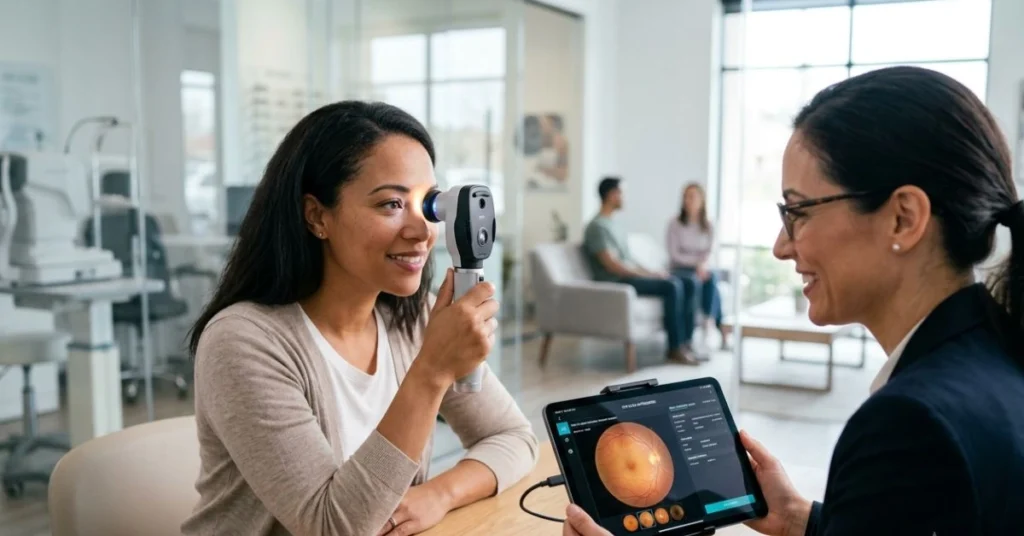
Digital eye exams can extend screening to remote patients, but online tests, retinal imaging, and AI are different services with different limits.
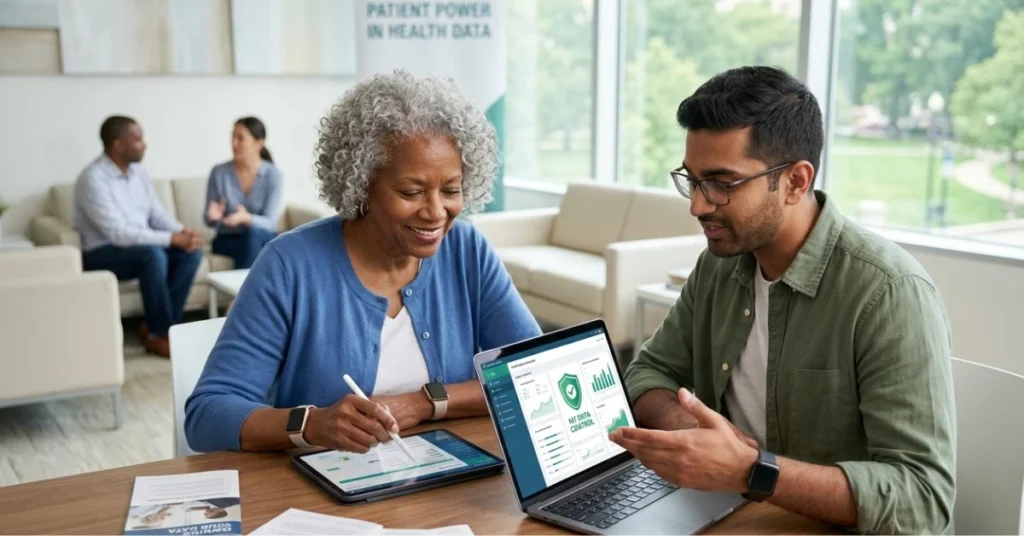
Patients are finally getting direct access to their medical records. Here is how to use it, share it, and protect it.
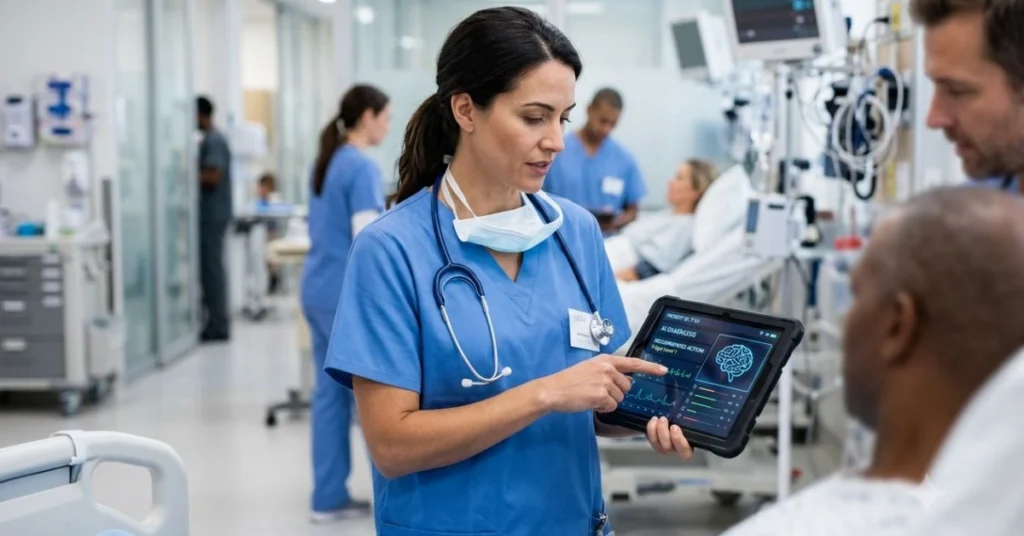
AI is helping ER teams triage faster, spot strokes and sepsis earlier, and shave precious minutes off emergency care.

AI health scores can estimate your risk for many diseases years ahead. Here is how they work and where they fall short.
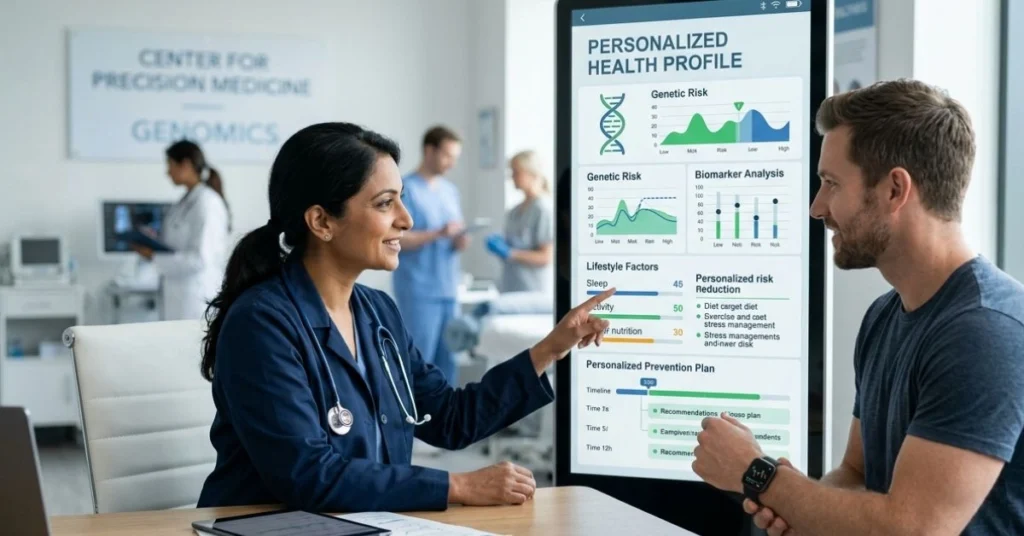
Precision prevention tailors screening and lifestyle advice to your genes, data, and risks, so disease is stopped earlier.
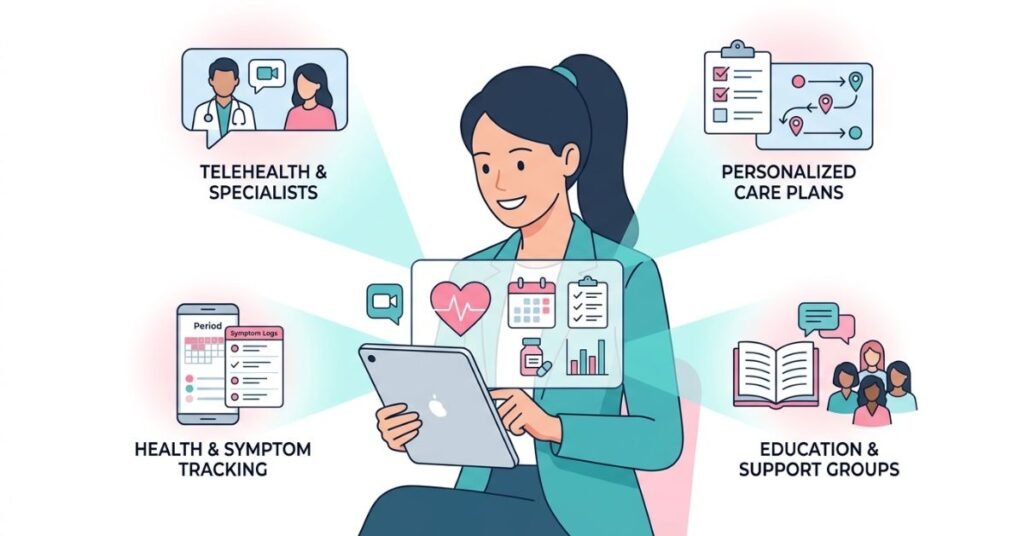
Digital platforms bring pregnancy, fertility, and menopause care to women who once struggled to get timely, caring help.
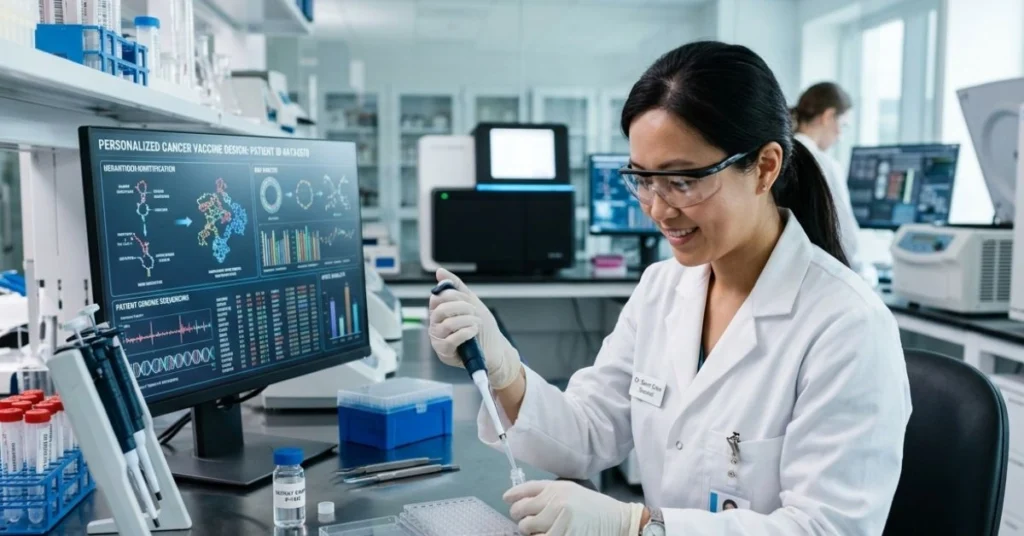
Personalized vaccines are built from a patient’s own tumor. Here is how they work and what the newest trials reveal.
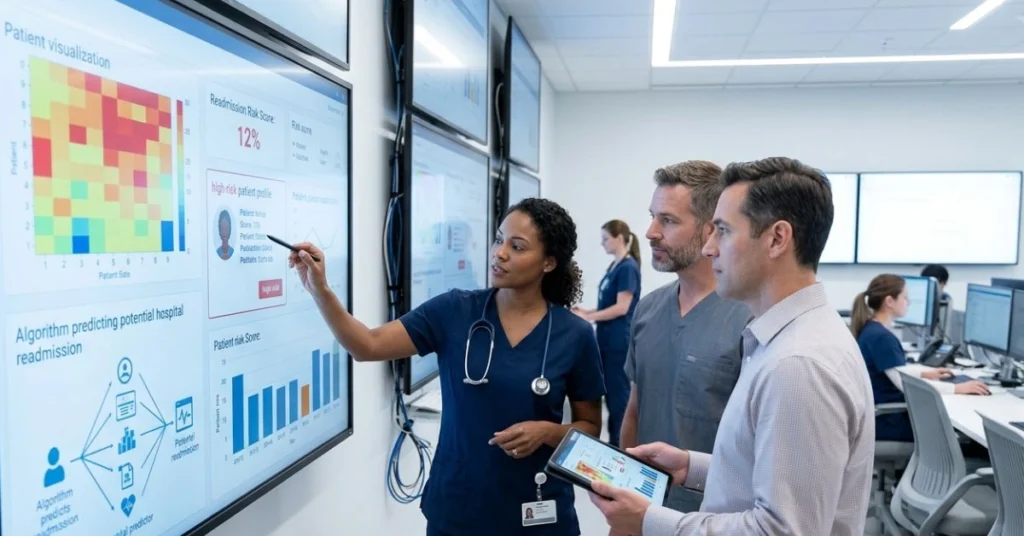
AI can flag patients likely to return to the hospital before they go home, so care teams can step in early and prevent it.
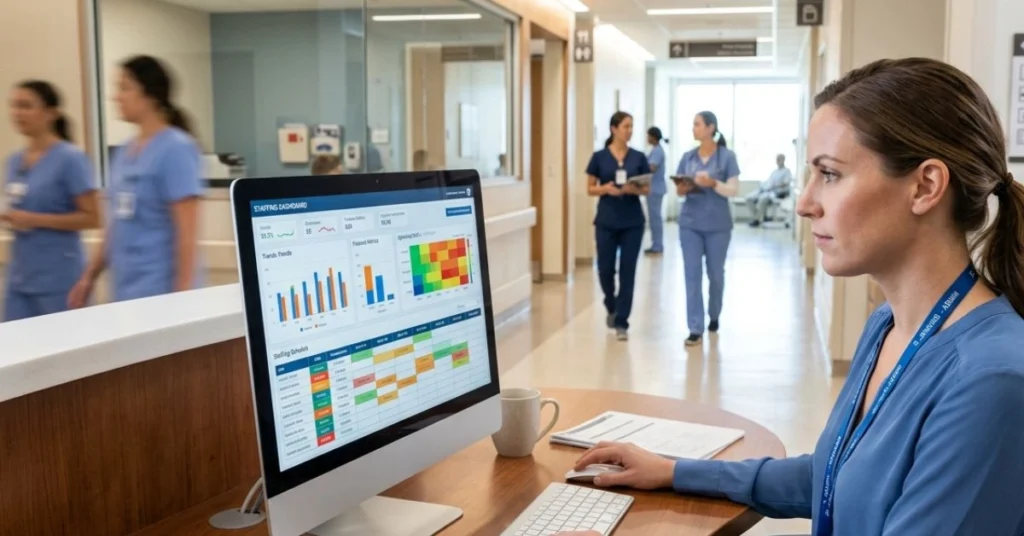
Predictive staffing forecasts demand and acuity so hospitals deploy staff better, but cannot fix shortages alone. See what the evidence says.
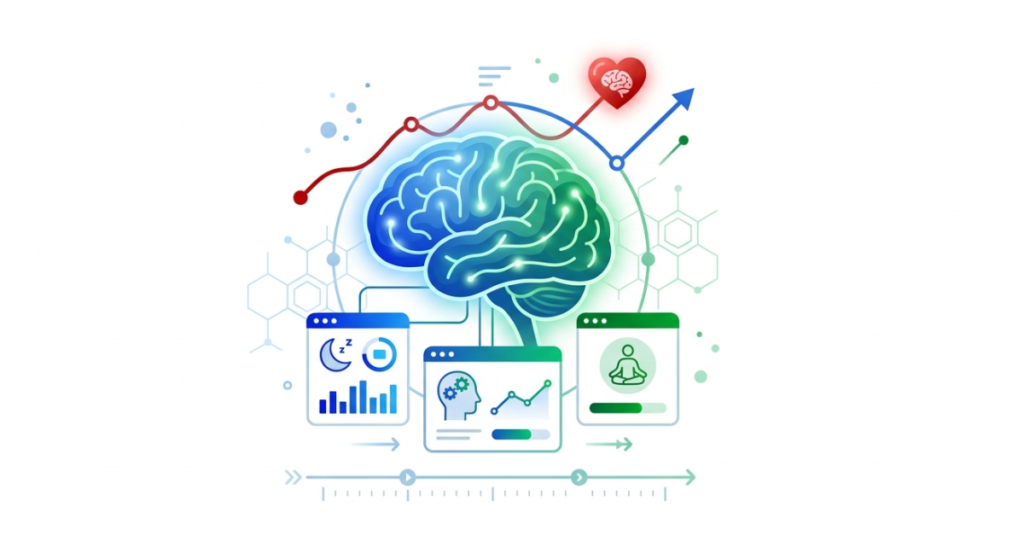
Wearables now track hearts and sleep. Brain health tracking is next, with EEG headphones, cognitive apps, and smart scores.
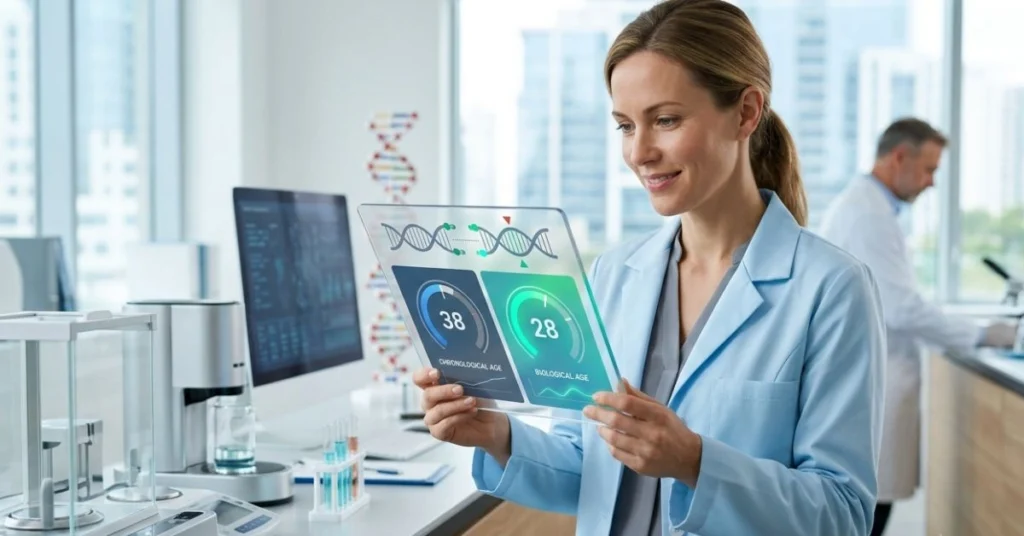
Biological age tests promise to show how old your body really is. Here is what the science says and where it falls short.
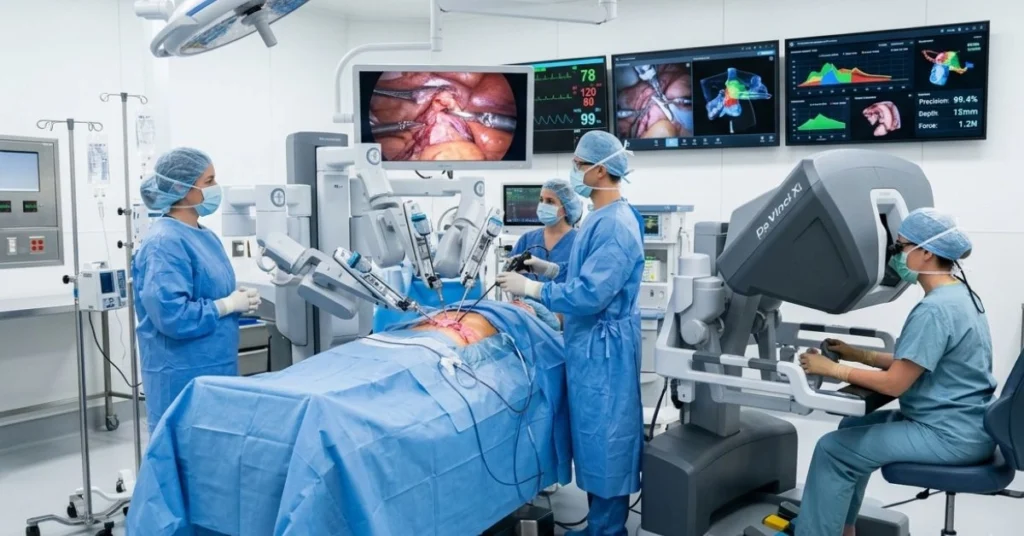
AI and robotics are making surgery more precise. Learn how they work, what autonomous robots have truly done, the risks, and what patients should expect.

Digital consent turns confusing paper forms into clear, interactive choices that help patients understand and trust care.

Smart hospital beds sense movement, pressure, and vital signs to help prevent falls and pressure injuries in hospital patients.
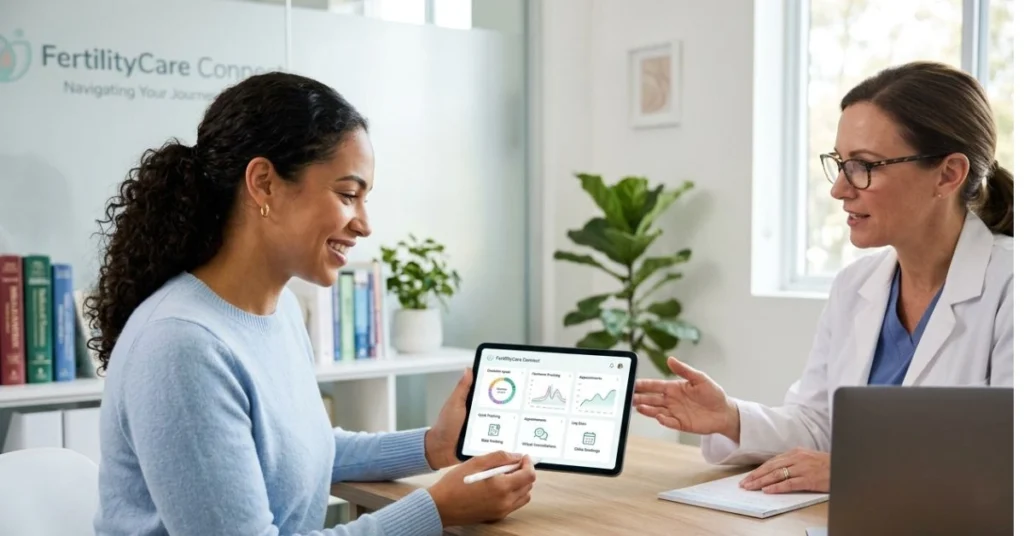
Digital fertility platforms bring tests, virtual clinics, and benefits guidance to people who are trying to build a family.
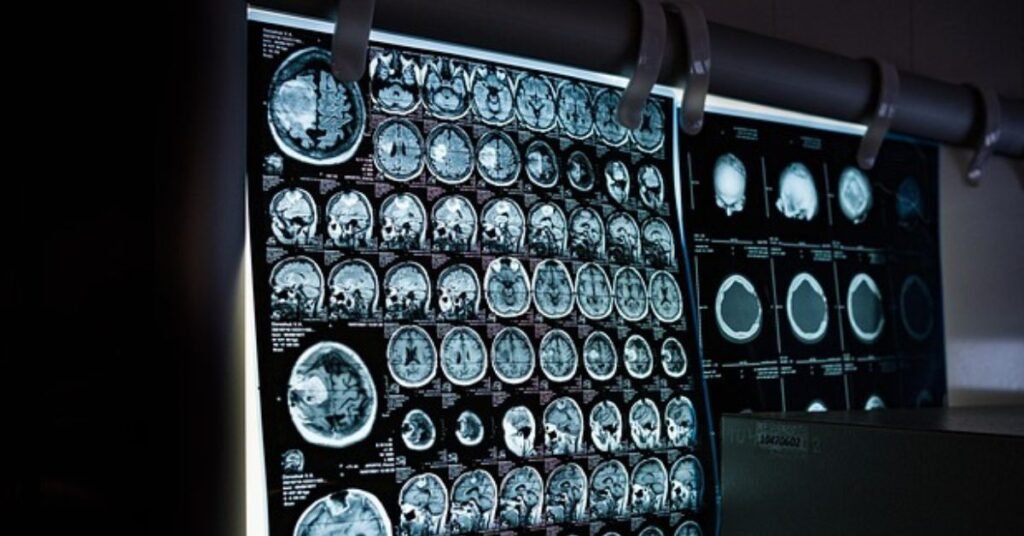
AI can match treatments to a patient’s biology, but proof of better outcomes is uneven. Here is what the evidence shows.

New blood tests can flag cancer signals before symptoms start. Here is what the 2026 trials and the FDA panel found.