
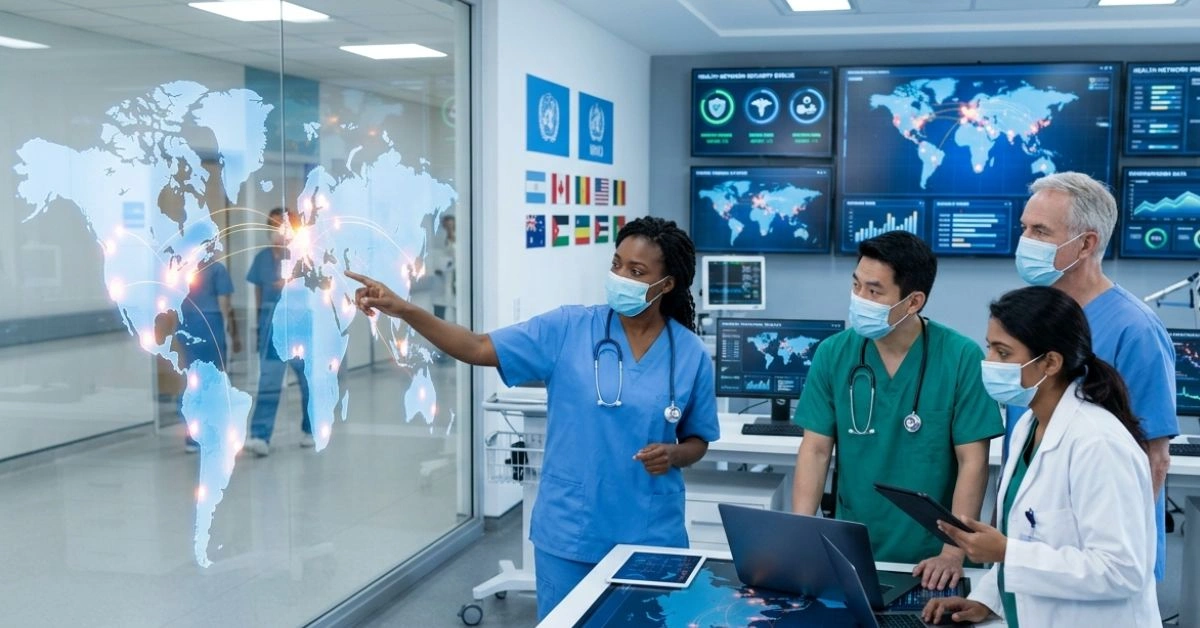
The shadow of COVID-19 lingers as a stark reminder of how quickly an invisible threat can upend lives, economies, and societies. Billions faced lockdowns, healthcare facilities strained under unprecedented pressure, and supply chains faltered worldwide. Yet from this crisis emerged a collective resolve to build stronger safeguards. Governments, organizations, and scientific communities now prioritize robust frameworks that address vulnerabilities exposed during the pandemic. This shift focuses on anticipation rather than reaction, channeling resources into systems capable of detecting, containing, and mitigating threats before they escalate into full-scale disasters.
Recent developments underscore this momentum. In May 2025, the World Health Assembly adopted the Pandemic Agreement, a landmark accord designed to foster equitable access to vaccines, diagnostics, and therapeutics while enhancing global coordination. Complemented by amendments to the International Health Regulations, this framework promotes fair pathogen sharing and benefit distribution.
Investments flow into surveillance networks, rapid manufacturing capabilities, and cross-sector collaboration. These efforts reflect lessons from past outbreaks, where delays in detection and unequal resource distribution amplified harm. Today, the emphasis rests on resilience, ensuring healthcare systems stand ready to protect populations regardless of geographic or economic boundaries.
Advances in technology play a pivotal role in reshaping approaches to threats. Artificial intelligence analyzes vast datasets for early signals, genomic sequencing tracks pathogen evolution in real time, and digital tools enable swift contact tracing. Such innovations compress timelines that once spanned months into days or weeks.
Combined with international funding mechanisms like the Pandemic Fund, which has mobilized billions for low- and middle-income countries, these changes signal a more proactive stance. The goal remains clear: minimize loss of life and disruption while fostering trust in public health measures.
Global Frameworks Driving Pandemic Preparedness
International collaboration forms the backbone of modern efforts to counter pandemics. The 2025 WHO Pandemic Agreement stands as a cornerstone, adopted after extensive negotiations to address inequities seen in previous responses. It emphasizes principles of equity, solidarity, and multisectoral action, aiming to prevent outbreaks, prepare comprehensively, and respond fairly when threats arise. The agreement establishes mechanisms for pathogen access and benefit-sharing, ensuring that data shared by countries yields tangible returns in medical countermeasures.
Amendments to the International Health Regulations further strengthen core capacities for surveillance, reporting, and response. These updates promote integrated planning across human, animal, and environmental health, aligning with One Health principles. Regional roadmaps, such as those in the South-East Asia Region for 2026-2031, focus on respiratory threats, including influenza and coronaviruses. Such coordinated strategies reduce fragmentation and build collective resilience.
Key Investments and Funding Mechanisms
Financial commitment proves essential for sustained readiness. The Pandemic Fund, hosted by the World Bank with WHO technical leadership, has awarded grants totaling $885 million while mobilizing an additional $6 billion across 75 countries. These resources target prevention, surveillance, and response capacities, particularly in lower-income regions.
Post-COVID investments highlight a shift toward proactive funding. Development assistance for health-related pandemic efforts surged during 2020-2021, with billions directed toward preparedness. Ongoing support through mechanisms like the High-Level Implementation Plan emphasizes surveillance, research, and manufacturing. Consistent funding counters historical cycles of neglect between crises, ensuring infrastructure remains operational and adaptable.
Here is a summary of major global investments in pandemic preparedness post-COVID:
| Funding Mechanism | Total Mobilized/Granted | Focus Areas | Key Beneficiaries |
|---|---|---|---|
| Pandemic Fund | $885M grants + $6B mobilized | Prevention, surveillance, response | 75 countries (LMICs priority) |
| WHO Pandemic Agreement Support | Ongoing commitments | Equity in vaccines/diagnostics | All Member States |
| Development Assistance for Health (2020-2021) | $37.8B for COVID response + $1.8B preparedness | Surveillance, rapid manufacturing | Low- and middle-income countries |
| National Investments (e.g., US CDC FY2026) | Hundreds of millions annually | Respiratory disease surveillance | Domestic public health systems |
These figures demonstrate a growing recognition that preparedness yields high returns compared to reactive costs.
Technology Improving Pandemic Preparedness
Technology stands at the forefront of enhanced readiness, accelerating detection and response. Artificial intelligence processes massive datasets from social media, mobility patterns, and health records to identify early outbreak signals. Models forecast spread more accurately, enabling targeted interventions that save resources and lives.
Genomic surveillance has advanced dramatically. Networks like WHO’s CoViNet, expanded in 2025 to include more laboratories, sequence pathogens rapidly to track variants, and inform vaccine updates. Combined with AI, these tools predict evolutionary changes and support swift countermeasures.
Digital platforms facilitate contact tracing, telemedicine, and real-time data sharing. Tools integrate clinical, environmental, and population data for comprehensive risk assessment. Rapid diagnostic innovations, including point-of-care tests, allow early identification without overwhelming facilities.
Surveillance and Early Warning Systems
Effective surveillance detects threats at their source. WHO’s Hub for Pandemic and Epidemic Intelligence collaborates globally to analyze data from diverse origins. AI enhances these systems by identifying patterns invisible to traditional methods.
Genomic tools reveal transmission dynamics and resistance profiles. Investments in laboratory networks ensure broader coverage, particularly in vulnerable regions. Early warning reduces response times, limiting spread and severity.
Vaccine and Medical Countermeasure Development
Platform technologies like mRNA enable rapid adaptation to new pathogens. Lessons from COVID-19 accelerated manufacturing scale-up and regulatory pathways. Advanced purchase agreements secure supplies proactively.
Equity remains central, with agreements promoting technology transfer to local producers. These steps aim for faster, fairer distribution in future scenarios.
Healthcare System Resilience and Workforce Readiness
Hospitals and clinics build surge capacity through flexible staffing and supply stockpiles. Training programs address burnout and skill gaps exposed previously. Telehealth expands access while preserving resources.
Public health infrastructure receives ongoing support to maintain readiness between events. Multisectoral engagement involves communities in planning and response.
Challenges in Achieving Full Readiness
Despite progress, inequities persist in access to technologies and funding. Mistrust and misinformation undermine efforts. Sustained investment counters underfunding risks, while addressing workforce shortages and supply chain vulnerabilities remains critical.
Conclusion
Healthcare systems demonstrate clear determination to confront future pandemics more effectively than before. The 2025 WHO Pandemic Agreement, combined with substantial funding through the Pandemic Fund and technological breakthroughs in AI, genomics, and digital surveillance, creates a stronger foundation for global health security. These advancements compress detection timelines, enhance equity in resource distribution, and foster international cooperation essential for containing threats early.
Success depends on continued commitment to integrated One Health approaches, sustained investments, and community trust. By prioritizing prevention, equitable access, and innovation, systems reduce the devastating impacts of outbreaks. Vigilance ensures that lessons from past crises translate into tangible protections, safeguarding populations and economies alike. The path forward demands persistent action, collaboration, and adaptability to stay ahead of evolving risks. Stronger preparedness today builds a safer tomorrow for everyone.
FAQs
1. What is pandemic preparedness?
Pandemic preparedness involves building systems, resources, and plans to detect, prevent, and respond to large-scale infectious disease outbreaks effectively.
2. How did the 2025 WHO Pandemic Agreement change global readiness?
It promotes equitable access to medical tools, pathogen sharing, and coordinated responses to address gaps from previous pandemics.
3. Why does technology play a key role in pandemic preparedness?
Tools like AI and genomics enable faster detection, variant tracking, and response, shortening timelines from months to days.
4. What improvements has AI brought to outbreak surveillance?
AI analyzes diverse data sources for early signals, forecasts spread, and integrates information for more accurate risk assessments.
5. How does genomic surveillance help in preparedness?
It sequences pathogens quickly to monitor evolution, identify variants, and guide vaccine or treatment development.
6. What funding supports global pandemic readiness?
Mechanisms like the Pandemic Fund mobilize billions for surveillance, prevention, and response, especially in lower-income countries.
7. How do platform technologies improve vaccine development?
Technologies such as mRNA allow rapid adaptation to new threats, speeding up production and deployment.
8. What challenges remain in pandemic preparedness?
Inequities in access, workforce shortages, misinformation, and inconsistent funding hinder full readiness.
9. How does One Health contribute to better preparedness?
It integrates human, animal, and environmental health to address spillover risks from zoonotic sources.
10. What steps can strengthen the healthcare system’s resilience?
Investments in surge capacity, workforce training, supply chains, and digital tools ensure systems handle sudden demands effectively.