

How AI Helps Detect Cancer in Medical Scans
AI-supported mammography cut interval cancers by 12% in a large randomized trial. See what that means, and what AI cannot yet prove, for cancer care.

AI-supported mammography cut interval cancers by 12% in a large randomized trial. See what that means, and what AI cannot yet prove, for cancer care.

Heat-related deaths average 546,000 a year, and many climate health indicators hit records. See the pathways, vulnerable groups and what helps.

70% of US hospitals exchange data across four domains, but routine use lags. Learn why meaning, workflow and governance matter as much as software.

Why sleep duration alone does not tell the whole story, what explains the sleep duration paradox, and how to assess your own sleep health.

What bananas actually offer nutritionally for children, how to serve them by age, and why variety across fruits matters more than any single “best” choice.

A careful look at what is and is not established about microplastics, hormone disruption, and reproductive health based on current human and animal research.

A look at the 2025 research behind the 7,000 step benchmark and why it may offer a more realistic, evidence based alternative to the 10,000 step target.

An evidence based look at the association between air pollution exposure and dementia risk, including which pollutants are involved and the research limitations.
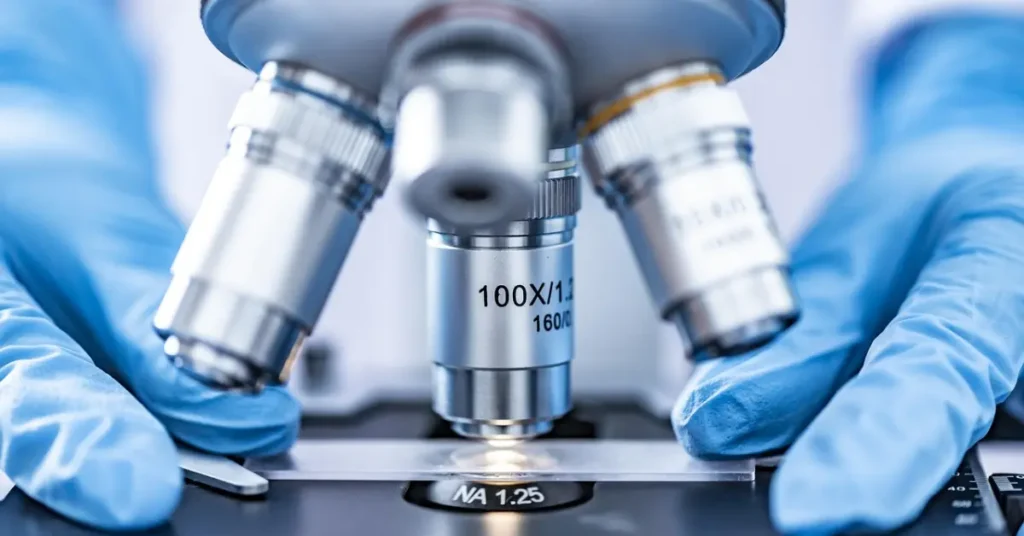
How ambient AI scribes convert clinical conversations into draft medical notes, what current research shows, and how to evaluate these tools responsibly.
How the United Nations system, led technically by WHO, coordinates global health efforts through SDG 3, financing, and support for national health systems.

A breakdown of where AI is reducing administrative burden in healthcare, what the current evidence supports, and a framework for evaluating new tools.
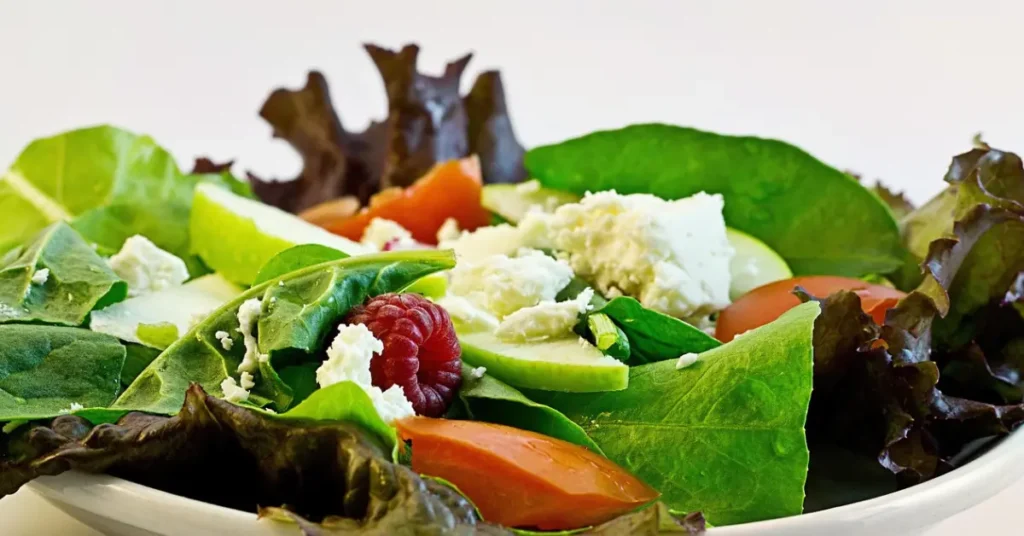
A practical breakdown of the DASH eating plan, including food lists, sodium targets, and a simple one day meal framework.

A practical guide to recognizing stress symptoms, understanding acute versus chronic stress, and applying evidence based coping strategies.
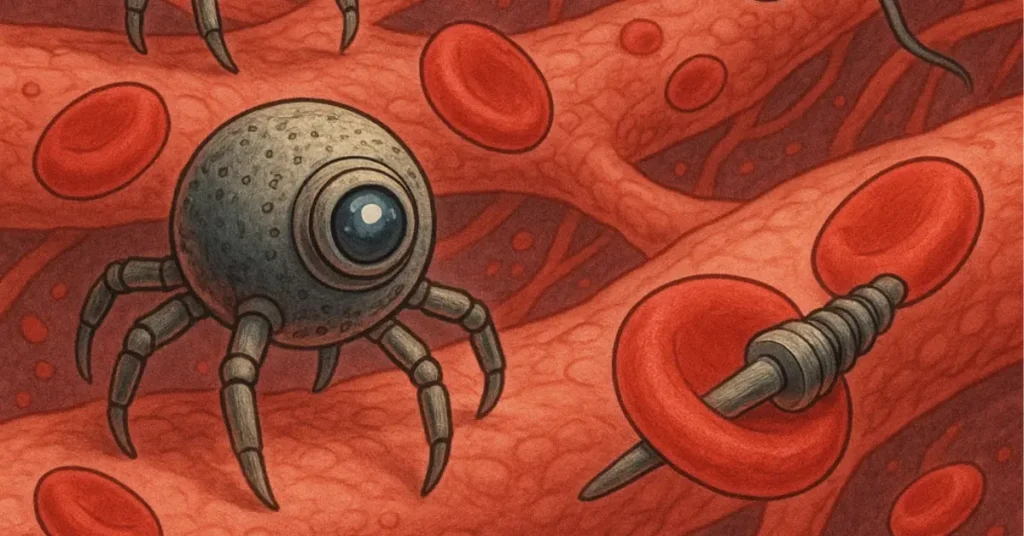
A look at how microscopic robots move, what medical problems they aim to solve, and the gap between laboratory research and clinical use.
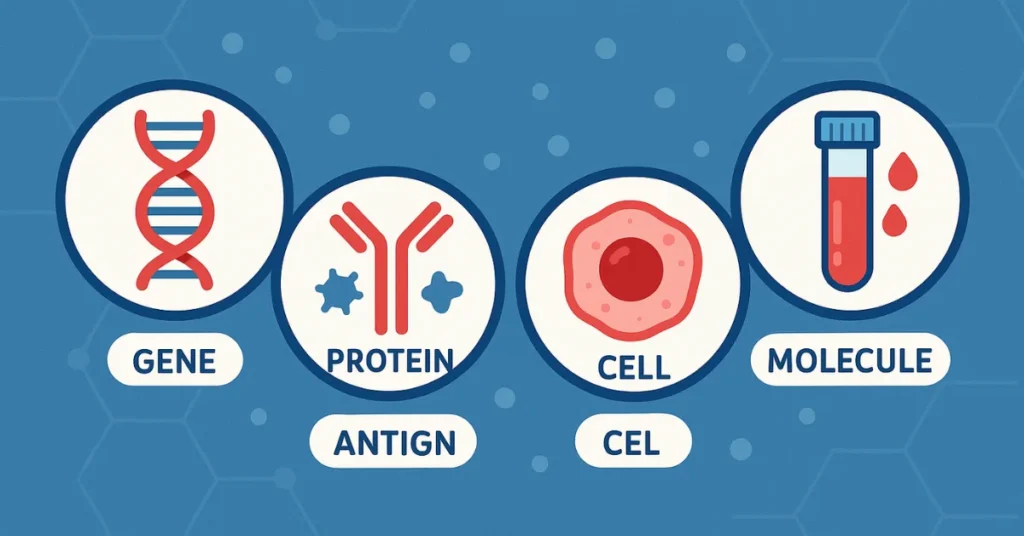
An explainer on biomarker categories, how they are validated, and where they are already reshaping cancer, heart, and neurological care.

Ten lifecycle practices that reduce equipment failures, safety risks, and downtime, from procurement planning through safe decommissioning.
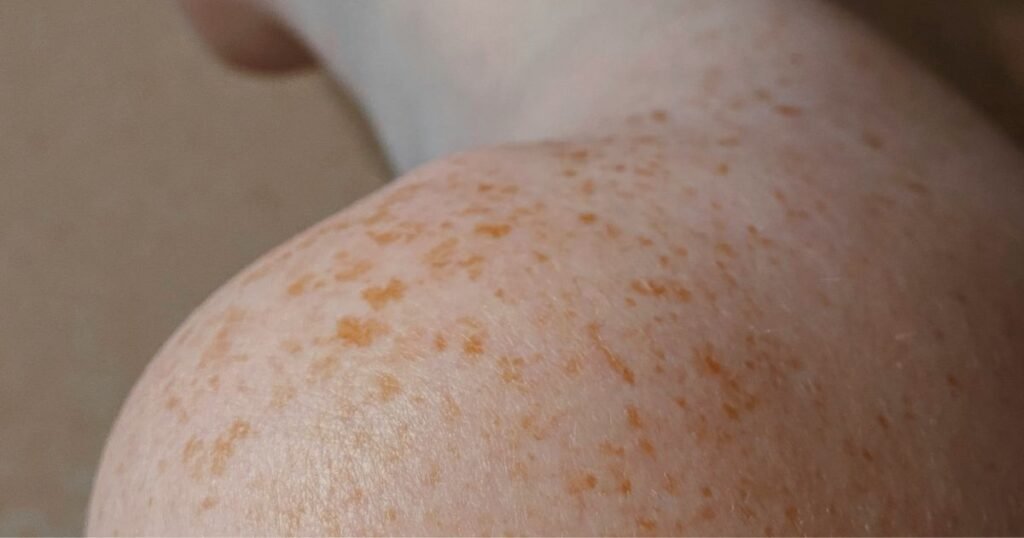
US measles cases total 416 in 2026 with infections in 14 states, 94% unvaccinated. South Carolina outbreak hits 700 cases, threatening national elimination status amid declining MMR rates.

Colorectal cancer is now the leading cancer killer of Americans under 50. Here is what the data show and what to watch for.