
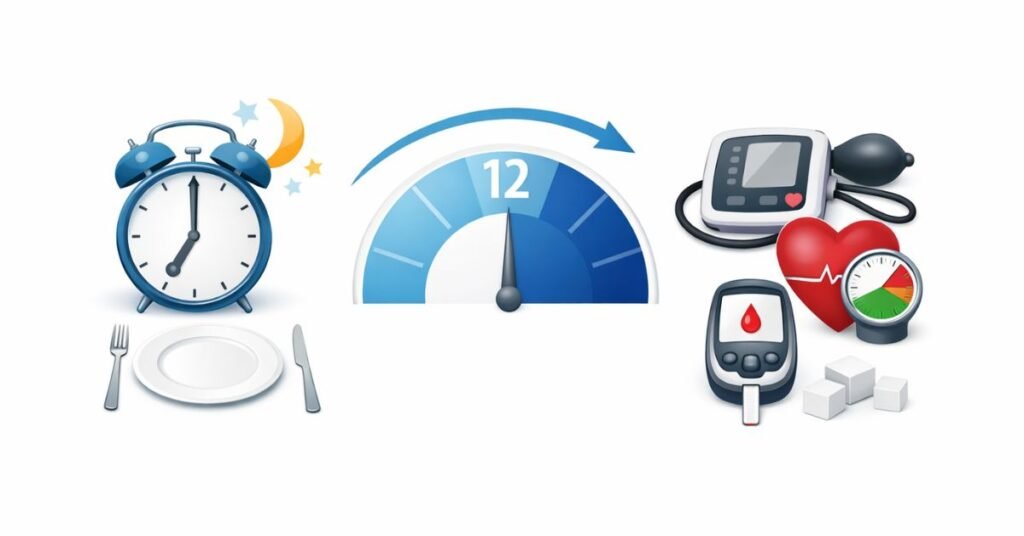
Can a Longer Overnight Fast Improve Blood Pressure and Blood Sugar?
A sleep-aligned overnight fast improved nighttime blood pressure markers in a small 2026 trial, but insulin sensitivity did not change. Here is why.

A sleep-aligned overnight fast improved nighttime blood pressure markers in a small 2026 trial, but insulin sensitivity did not change. Here is why.
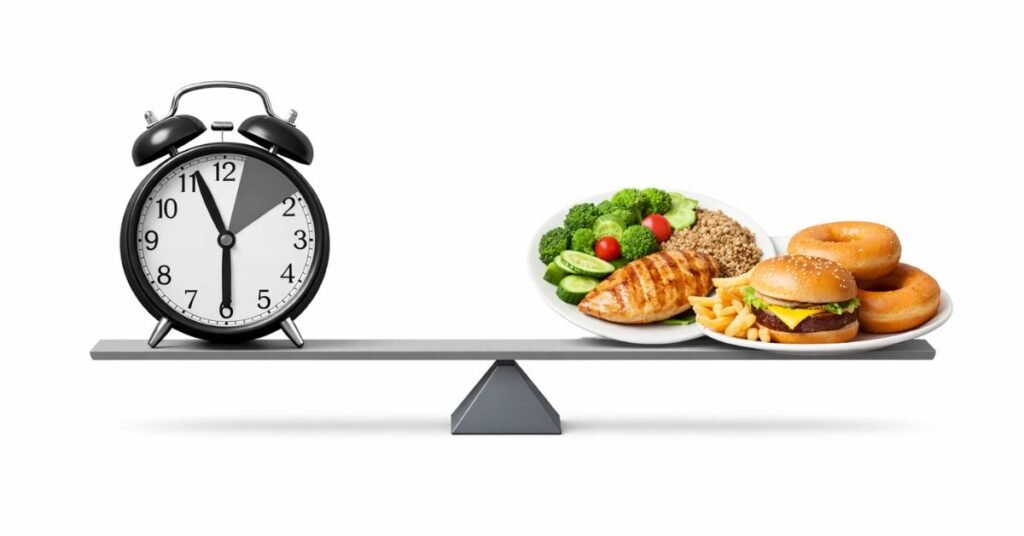
A 2026 Cochrane review of 1,995 adults found fasting and standard diet advice led to similar weight loss. Here is what that does and does not mean.

A 2026 mouse study found low oxygen turns red blood cells into a glucose sink. It is promising lab science, but not yet a human diabetes treatment.
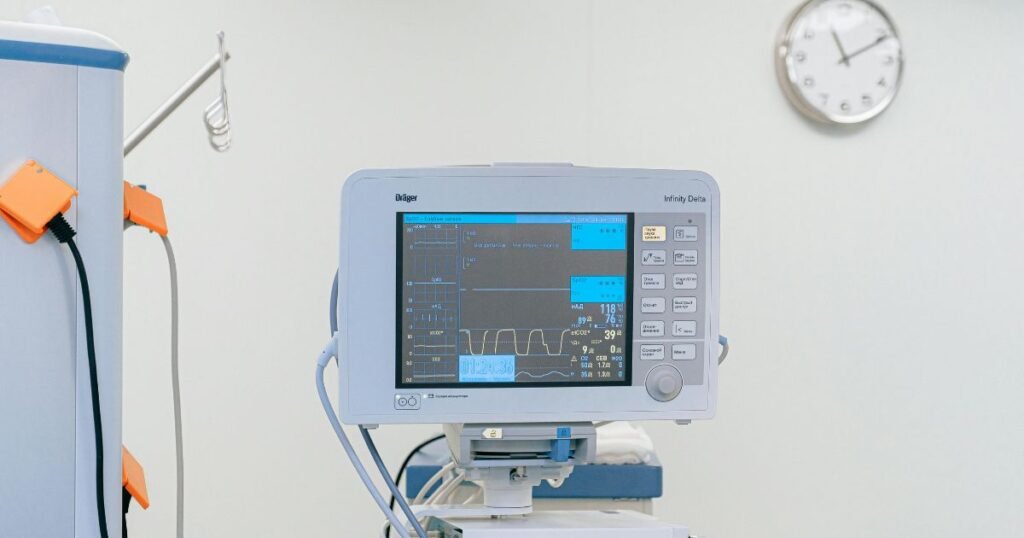
AI can forecast ER crowding, but most studies are retrospective and single site. Here is what hospitals must prove to turn predictions into shorter waits.
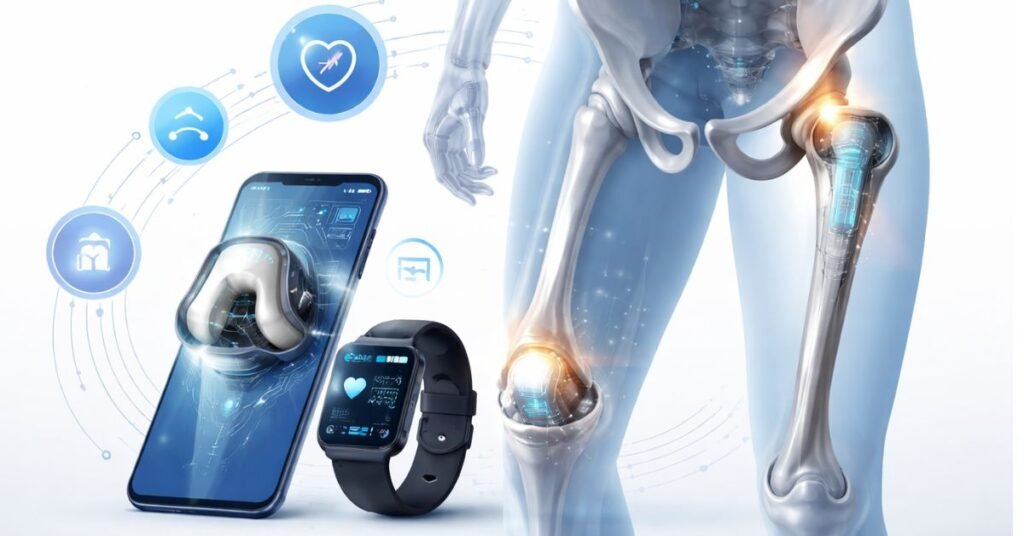
One smart knee implant is FDA-authorized, but most connected implants are experimental. Learn what sensors measure and whether the data improve recovery.
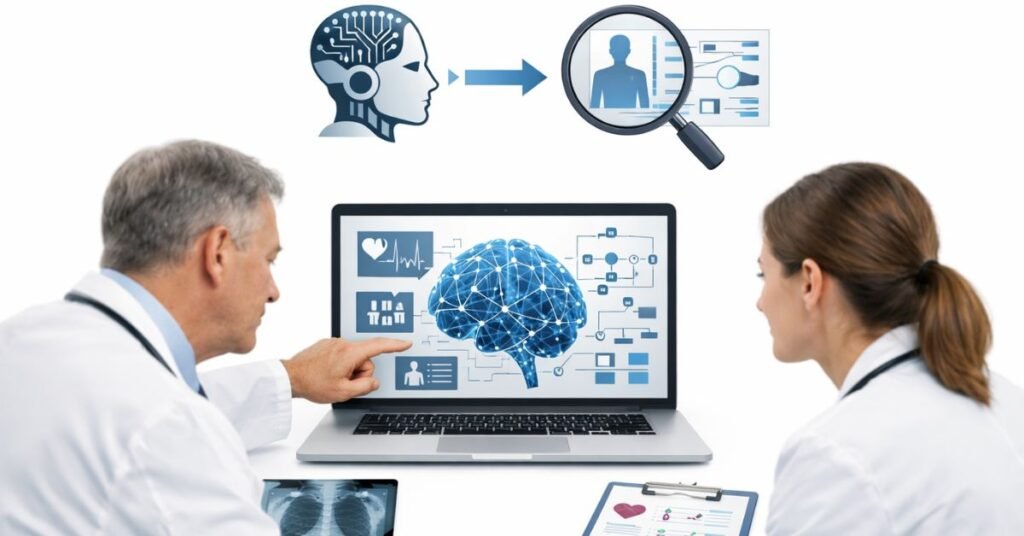
Doctors want explainable AI to catch errors and own decisions, but explanations alone do not prove safety. Here is what hospitals should require.

A 2025 study of 291,051 patients linked afternoon surgery to higher risk, yet other studies disagree. Learn why timing is only one factor among many.

Hospital at home care can be safe and cost-saving for selected patients, but not everyone qualifies. Here is the evidence, the risks and the technology.

AI is changing healthcare tasks before jobs. See which roles are exposed, what AI scribe trials found and how organizations should prepare for change.

What research shows about caffeine, endurance performance, and hydration in hot conditions, plus dosing guidance and a heat safety checklist.
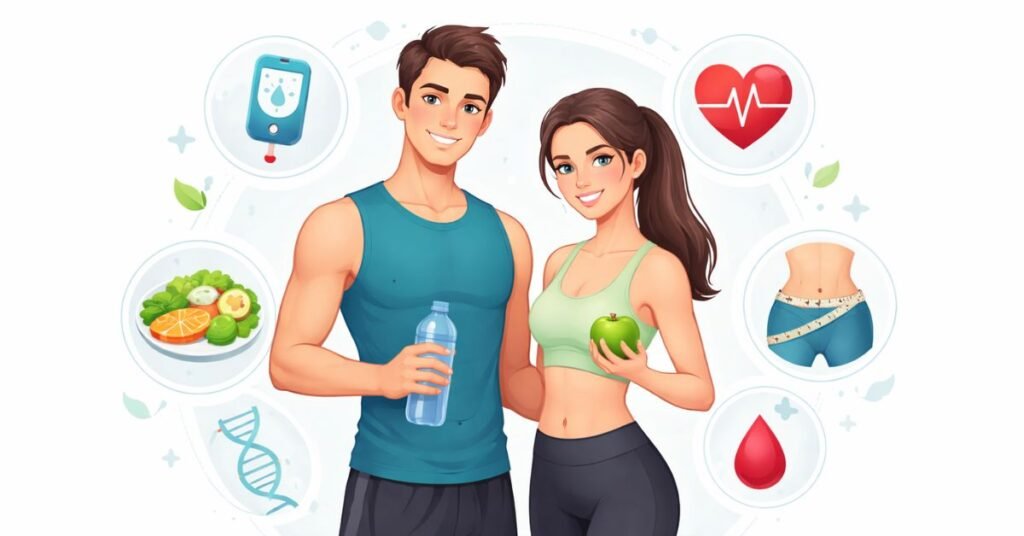
Metabolic health looks at glucose, blood pressure, blood fats and waist size, not just weight. See the tests, the exercise evidence and the pitfalls.

Generative AI is changing clinical documentation, but randomized trials show modest, uneven gains. Here are the uses, risks and governance needs.

A practical guide to the common causes of puffy eyes, simple fixes, and the warning signs that call for medical care.
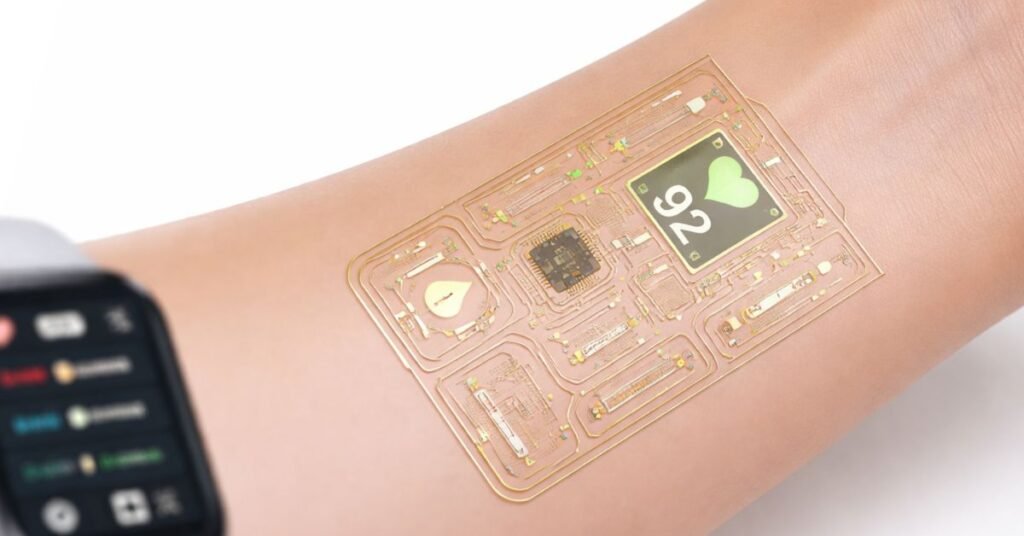
Smart tattoo sensors could track health signals less intrusively, but most are prototypes. See how they work, what they measure and what blocks use.

AI chatbots show small to moderate gains for depression and anxiety, but crisis safety and privacy remain concerns. Here is what the evidence supports.
What the STEP 1 trial extension and broader evidence show about weight and metabolic changes after stopping GLP-1 medications for weight management.
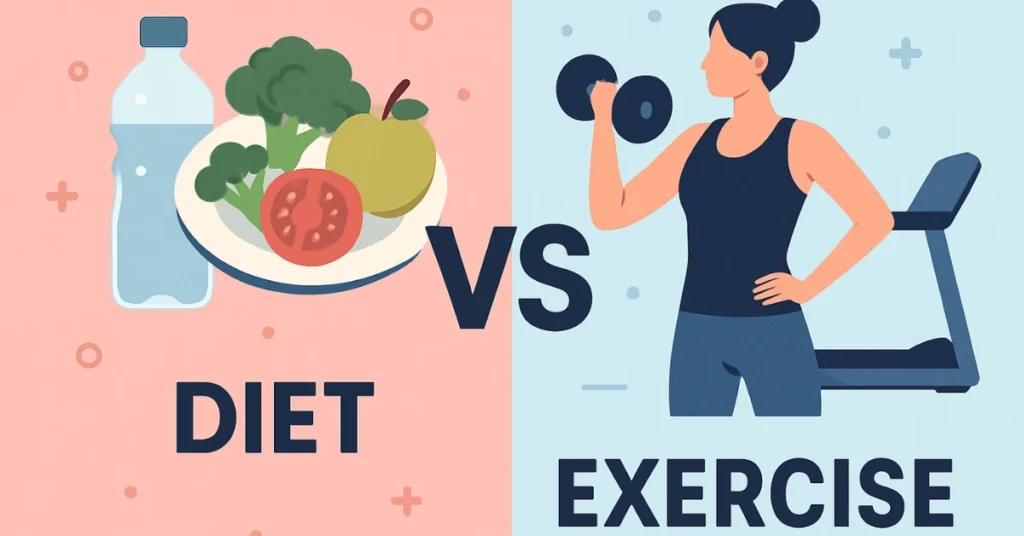
A clear breakdown of how diet drives weight loss while exercise supports maintenance, body composition, and overall health, based on current research.
Men use less primary care and telehealth than women. Digital platforms may help, but privacy and clinical quality vary. Here is how to judge them.