
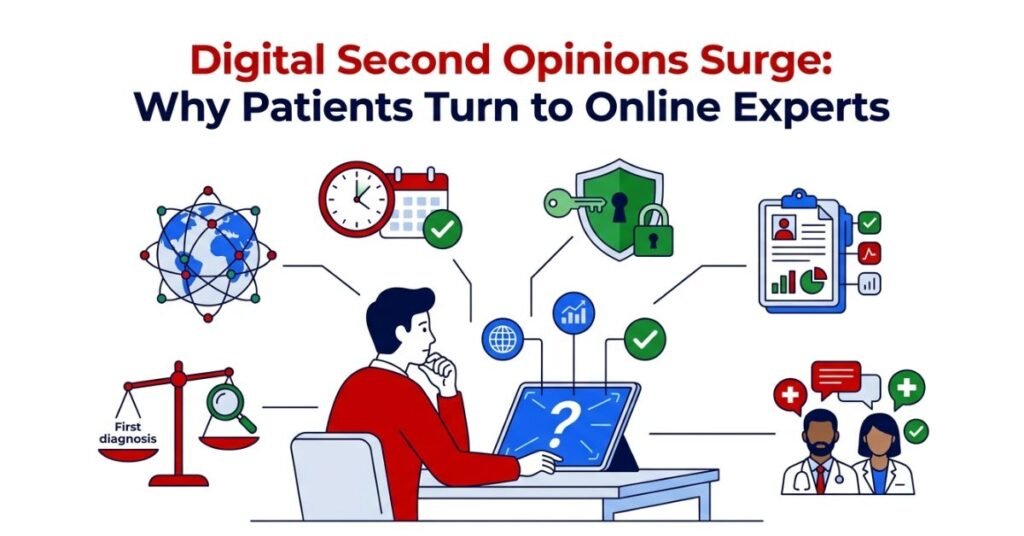
Digital Medical Second Opinions: When They Help and How to Use Them
Online second opinions often change advice, yet outcome evidence is thin. Learn what records to send, how to pick a service, and how to use the result.

Online second opinions often change advice, yet outcome evidence is thin. Learn what records to send, how to pick a service, and how to use the result.
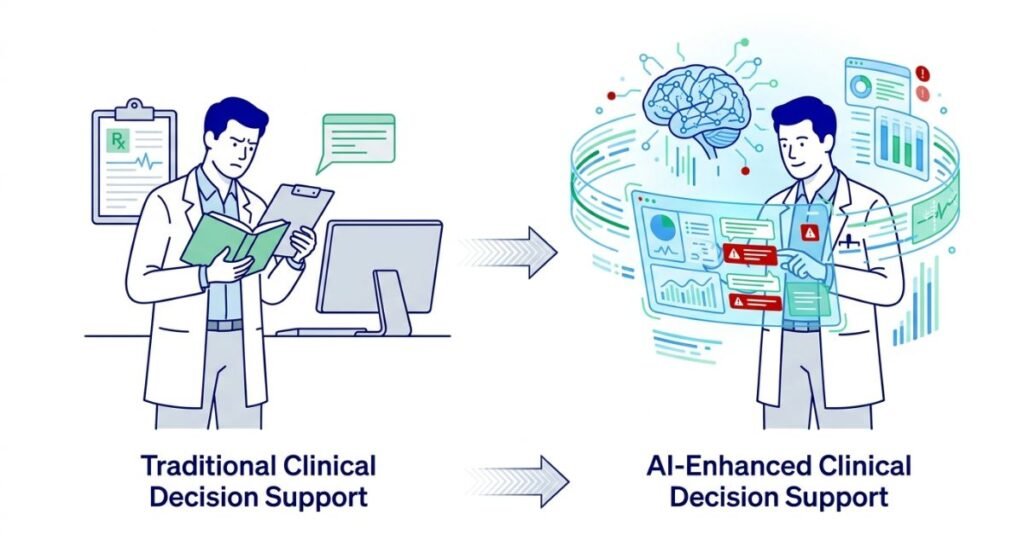
From mammography trials to a sepsis alert that missed 67% of cases, see where clinical AI works, where it fails, and how hospitals should test it.
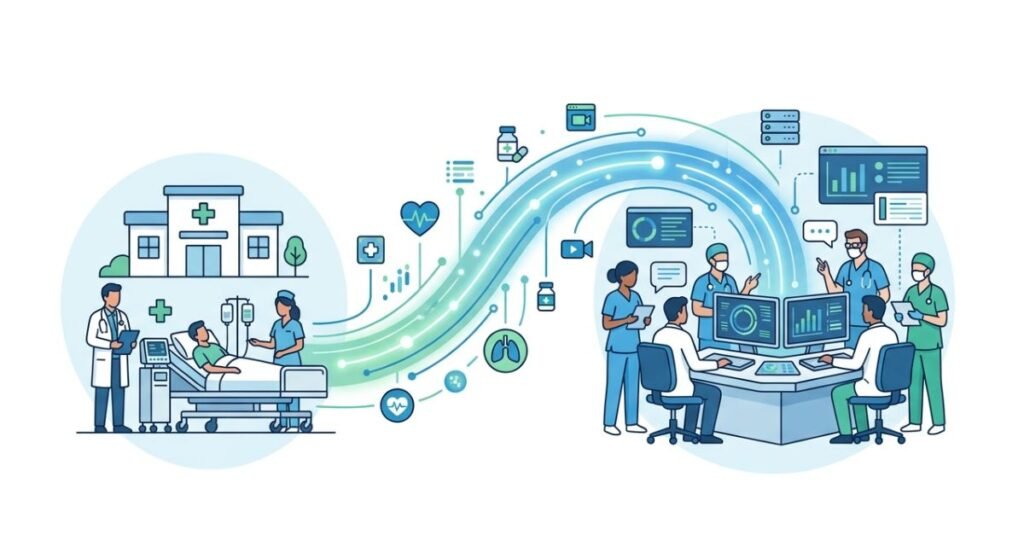
Tele-ICU results range from lower mortality to no effect. See how virtual ICUs work, which hospitals benefit, and what makes remote critical care succeed.
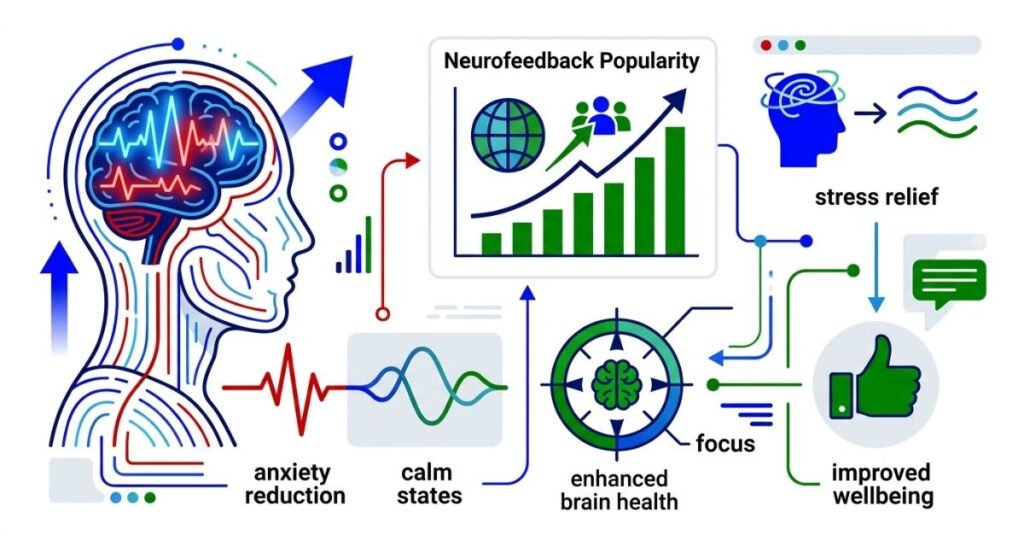
Neurofeedback is popular for anxiety, but sham-controlled evidence is limited. See what reviews find, how it compares with standard care, and what to ask.
A transparent ranking of the 20 largest medical device companies, with revenue context, profiles, growth drivers, and the market forces shaping MedTech.

Fascia supports movement and sensation, yet claims about release and stored emotion outrun the evidence. See what anatomy and trials actually show.

Sunlight may help sleep, mood, and comfort in hospitals, but evidence that it speeds healing is limited. See what daylight and light therapy studies show.
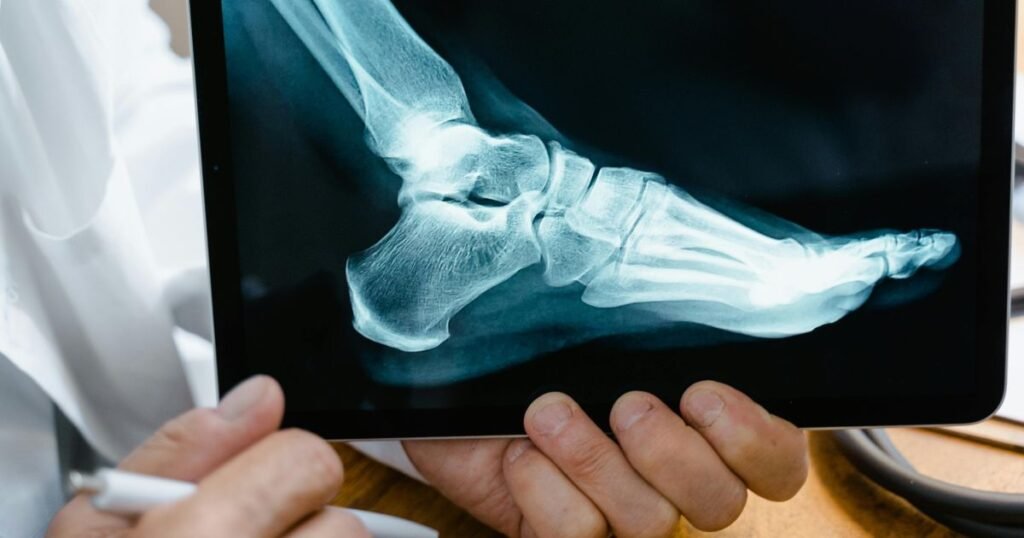
Bone and immune cells share signals, yet a bone scan cannot measure immunity. See what research shows on inflammation, steroids, and infection risk.
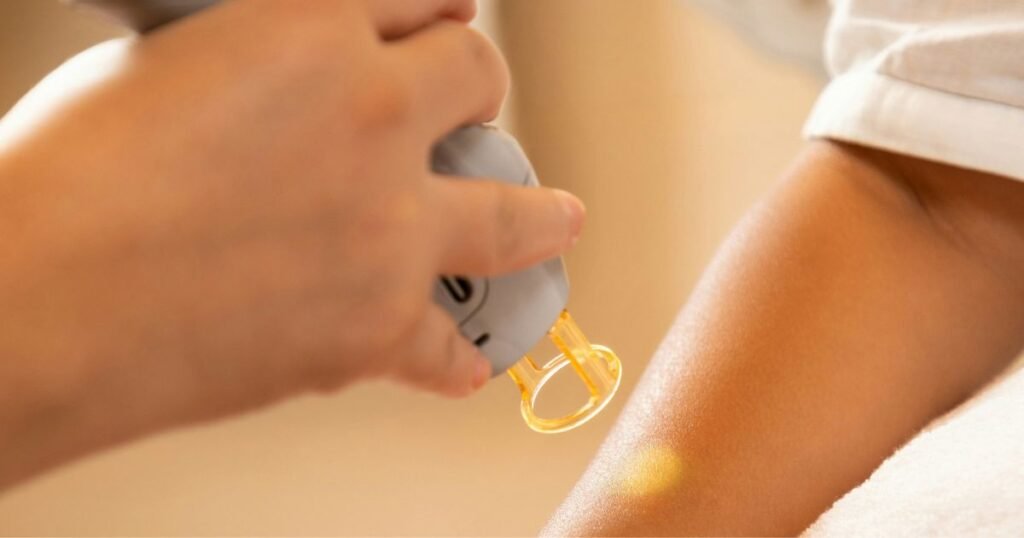
Digital dermatology extends specialist skin care to remote patients, yet accuracy, equity and referral completion decide whether access is truly useful.
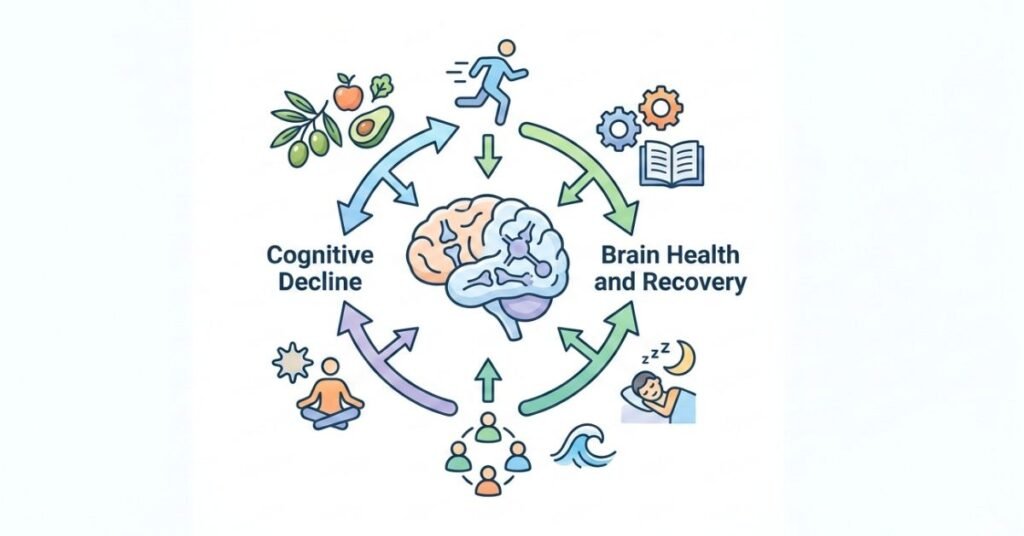
Neuroscience specialist Dr. Majid Fotuhi asserts Alzheimer’s can be prevented through proactive brain care and early decline reversed via targeted habits. Key evidence shows lifestyle pillars boost neurogenesis and hippocampal health even in older adults.
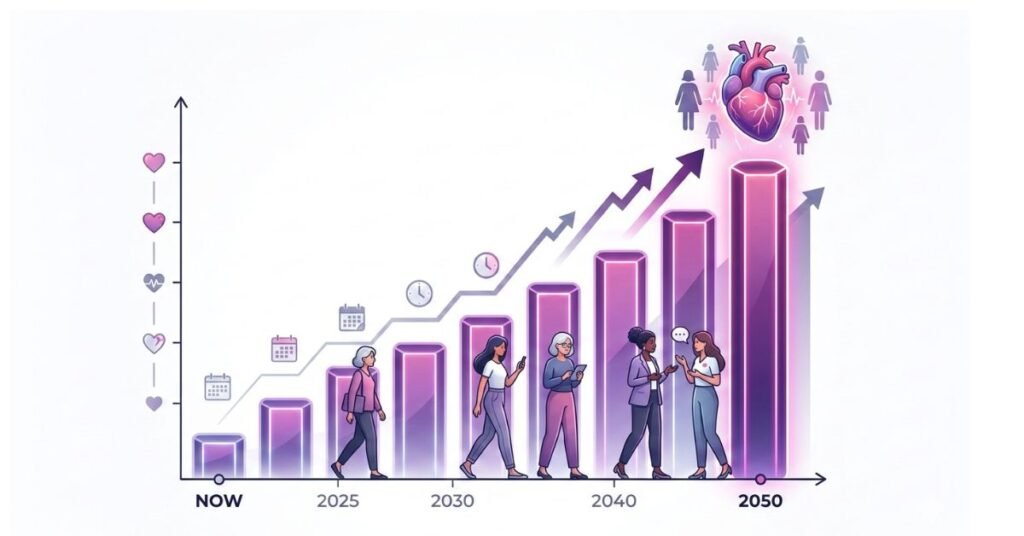
Projections from the American Heart Association indicate cardiovascular disease will affect 14.4% of US women by 2050, up from 10.7% in 2020, fueled by rising obesity, diabetes, and high blood pressure, hitting younger women hardest.
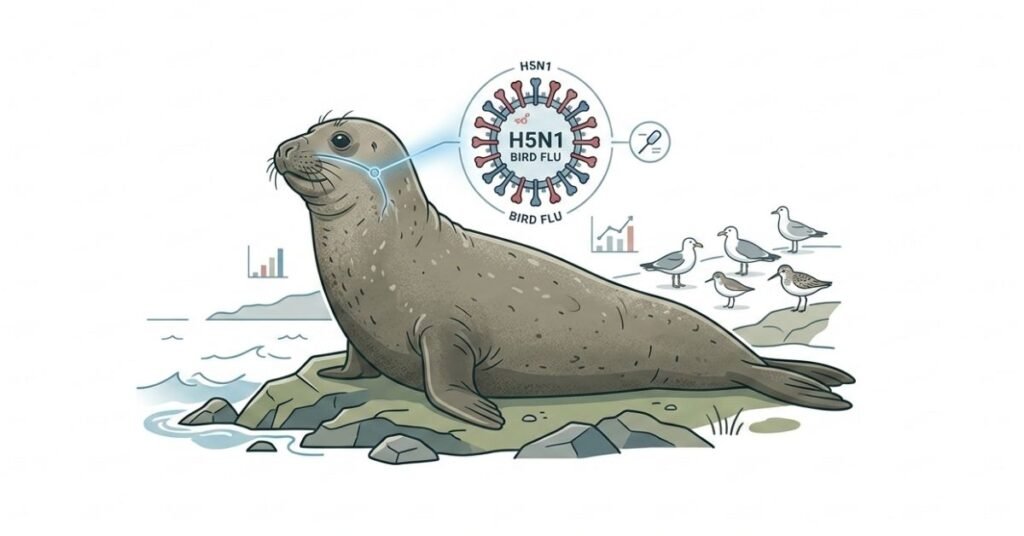
H5N1 bird flu has infected northern elephant seal pups at Año Nuevo State Park for the first time in California marine mammals, prompting closures and public warnings while risk to people stays very low.

Large VA study finds GLP-1 drugs like Ozempic associated with 14% lower risk of new substance use disorders and sharp reductions in overdoses, hospitalizations, and deaths among those with existing addictions.
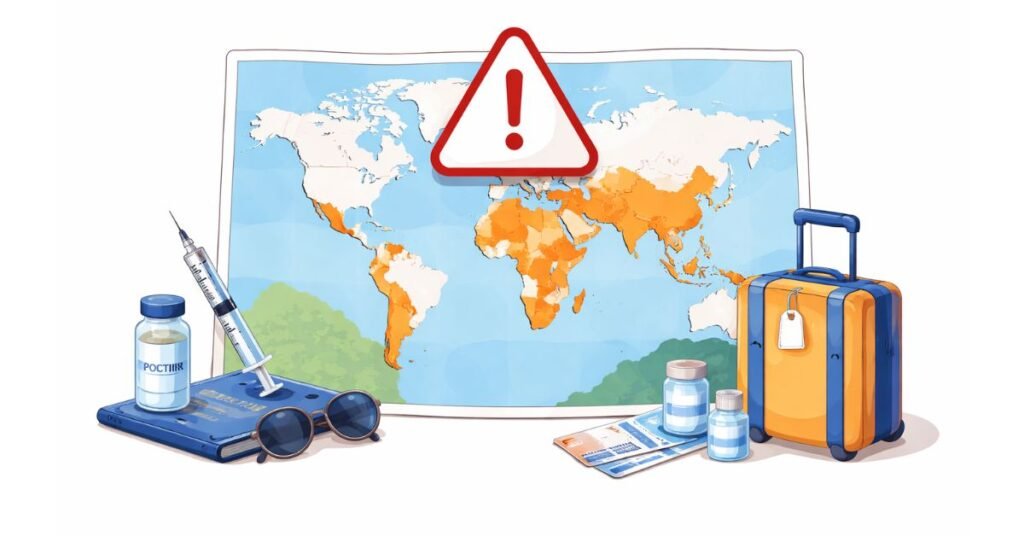
The CDC warns of circulating poliovirus in 32 countries across multiple continents, urging travelers to ensure polio vaccinations are current to prevent exposure to this potentially paralyzing disease.

A 2026 meta-analysis found women lost more weight than men on GLP-1 drugs, but group averages cannot predict any single person’s response to treatment.

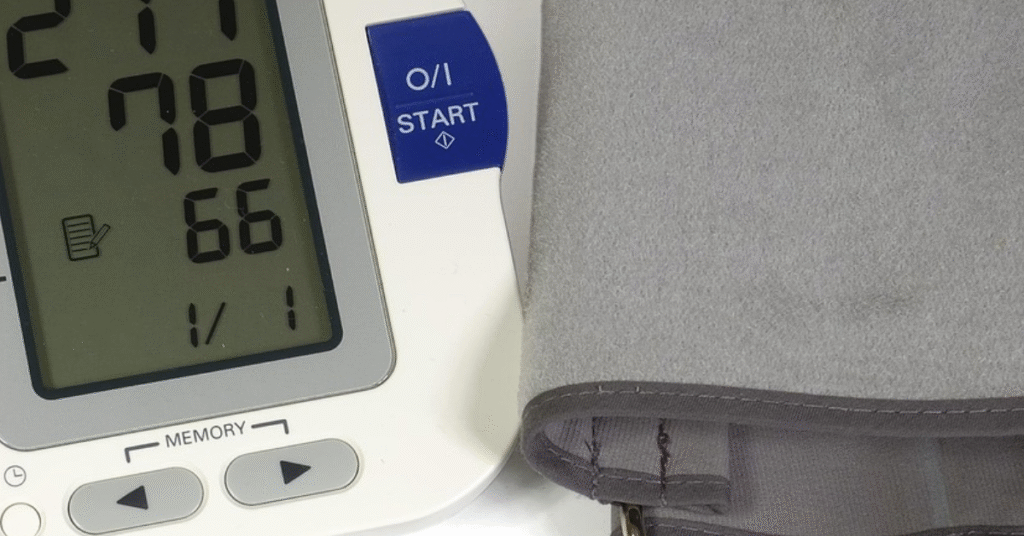
Seven lifestyle changes have trial evidence for lowering blood pressure. See expected results, safe use, and why medication and monitoring still count.
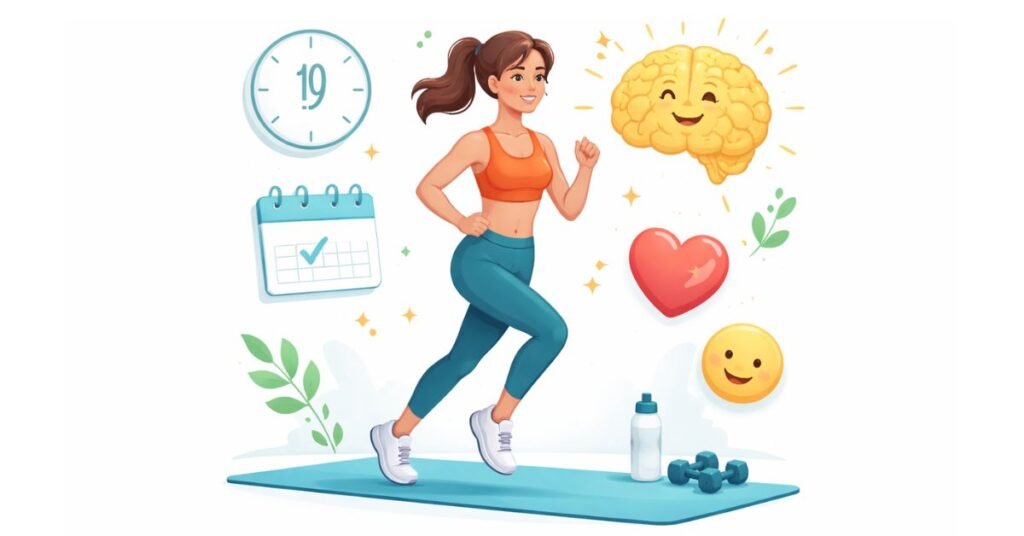
A 2026 trial found digital exercise lowered depression scores after the program, but the gain faded at follow-up. Here is what the evidence supports.
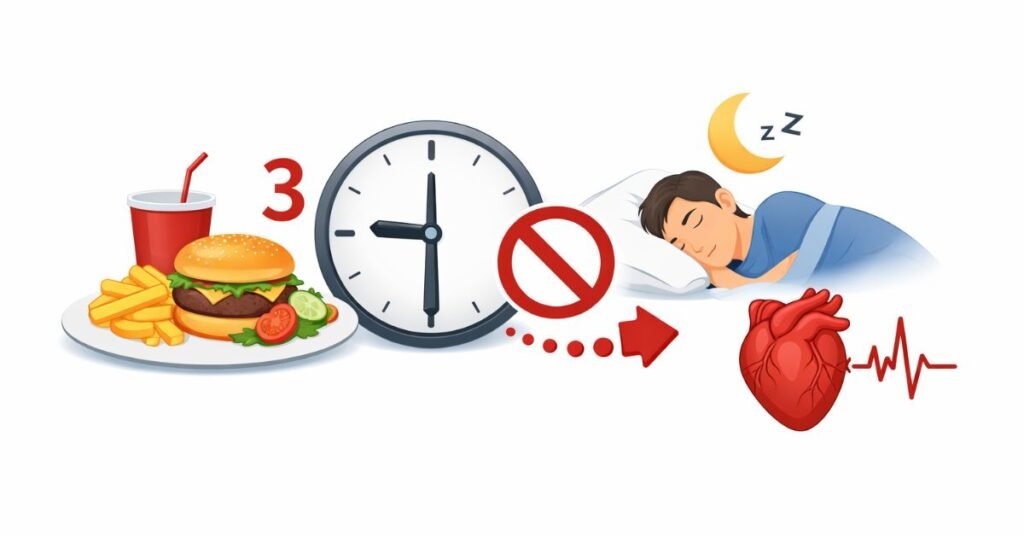
A small 2026 trial tied an earlier last meal to better nighttime blood pressure and glucose markers. Learn what it proves and who should take care.